 Contact Us


India to Resume Tourist Visas for Chinese Citizens from July 24: A Step Toward Healing Bilateral Ties
India is ready to take a major step in rebuilding its relationship with China. Starting July 24, 2025, the Indian Embassy in Beijing has confirmed that tourist visas for Chinese citizens will resume. This important move is seen as a part of India’s broader effort to improve diplomatic ties, which have been strained since the Galwan Valley border clash in 2020.
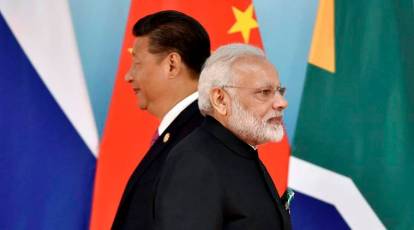
Why This Move Matters
Reopening tourist visas may seem like a routine administrative task, but in this case, it reflects a powerful message: India and China are willing to rebuild bridges. After five years of diplomatic freeze, this step marks a fresh start, especially for tourism, trade, and people-to-people connections.
The 2020 Clash and Its Long Shadow
The relations between India and China took a serious hit in 2020 when tensions along the Line of Actual Control (LAC) in Ladakh escalated into a violent clash in Galwan Valley. Since then, around 50,000 to 60,000 troops from both sides have remained deployed in the region. While some disengagement has taken place at key points, full de-escalation is still pending.
Resumption of Travel and Diplomacy
Earlier this year, India and China had already agreed in principle to restart direct flights, reopen visa services, and allow Indian pilgrims to visit the sacred Kailash Mansarovar. These steps are part of a broader strategy to restore normalcy between the nations.
Foreign Secretary Vikram Misri’s recent two-day visit to Beijing marked an important milestone. As per the Ministry of External Affairs, the visit was a follow-up on discussions held in October between Prime Minister Narendra Modi and Chinese President Xi Jinping in Kazan.
“The Foreign Secretary and Chinese Vice Foreign Minister Sun Weidong reviewed the state of India-China bilateral relations comprehensively,” the MEA said in a statement.
Diplomatic Ice Begins to Melt
This decision follows a series of high-level talks and is part of a calibrated approach to normalize relations step by step. More recently, India’s External Affairs Minister S. Jaishankar met Chinese President Xi Jinping in Beijing during the Shanghai Cooperation Organisation (SCO) Council of Foreign Ministers’ meetings.
In a separate discussion with his Chinese counterpart Wang Yi, Jaishankar emphasized:
“It is incumbent on us to address aspects related to the border, normalising people-to-people exchanges, and avoiding restrictive trade measures.”

Kailash Mansarovar Yatra Resumes
One of the most emotional and symbolic announcements is the resumption of the Kailash Mansarovar Yatra in the summer of 2025. For thousands of Indian pilgrims, this trek holds deep spiritual meaning. Its reinstatement is a strong gesture toward reviving cultural and people-centric diplomacy.
Cooperation on Trans-Border Rivers
Another lesser-known yet crucial development is the agreement to hold an early meeting of the India-China Expert Level Mechanism to discuss hydrological data sharing. This collaboration is vital as both countries share multiple trans-border rivers and must cooperate to prevent flooding, improve water resource management, and maintain environmental stability.
A New Language of Dialogue
The shift in tone is noticeable and deliberate. From military tension to diplomatic reconciliation, both nations are slowly rebuilding a working relationship. Jaishankar summed it up best in his post on X (formerly Twitter):
“Confident that on the foundation of mutual respect, mutual interest and mutual sensitivity, ties can develop along a positive trajectory.”
This tweet encapsulates the core principle both countries must follow: mutual respect and long-term thinking.
Troops Still Stationed — Disengagement but Not De-escalation
While the visa announcement is significant, it does not imply complete peace. As of July 2025, approximately 50,000 to 60,000 soldiers from each country are still stationed along the LAC. The situation is calm but tense, with both sides maintaining high levels of alertness.
The 2024 Kazan summit between Modi and Xi was a turning point. It came just days after a disengagement plan for Depsang and Demchok was formalized. Leaders from both sides agreed that improving bilateral relations was not optional—it was necessary.
What Lies Ahead?
With the resumption of visas, the ball is now rolling. The next few months will be crucial. Will direct flights be restored fully? Will both sides commit to long-term de-escalation? Can they resolve trade restrictions and border issues diplomatically?
The answers will emerge over time, but for now, this is a promising signal that India and China are ready to engage—not just at the government level but through tourism, business, and cultural exchanges.
Key Takeaways
- India will resume tourist visa issuance for Chinese citizens starting July 24, 2025.
- This is a key step in post-2020 reconciliation after the Galwan Valley conflict.
- The move follows agreements on resuming flights, visa services, and the Kailash Mansarovar Yatra.
- Foreign Secretary and External Affairs Minister visits to Beijing indicate serious diplomatic re-engagement.
However, both sides still maintain around 60,000 troops each at the LAC, showing full de-escalation is still a work in progress.
Final Words: Why This Matters
In an age where geopolitics is shifting rapidly, two major powers like India and China cannot afford prolonged hostility. By taking this step toward open doors and dialogue, India is signaling its commitment to peaceful progress. The world will be watching how both sides manage this new phase—with patience, vision, and mutual respect.